A Photographer’s Guide to Natural, Cinematic Portraits (Without Overposing Your Clients)
A deeper look into how cinematic portrait photography is actually created — not through perfect posing, but through flow, movement, and presence. This guide explores how to gently direct clients without interrupting their natural energy, and how to build sessions that feel calm, intuitive, and emotionally honest. It’s about learning to see beyond individual poses and into the rhythm of a full session, where the strongest images often happen in between direction.
1. Why “Natural” Portraits Aren’t Actually Natural at All
There’s a misconception in portrait photography that “natural” means doing nothing.
In reality, natural-looking images are highly guided.
The difference is subtle but important:
- Over-posed images feel controlled and rigid
- Under-directed images feel uncertain
- Well-directed images feel free, even though they are intentional
The goal is not to remove direction — it’s to make direction invisible.
2. Your Role Is to Create Conditions, Not Poses
Instead of thinking in poses, think in conditions.
You are not placing a subject into a position and holding them there.
You are creating:
- Movement
- Emotion triggers
- Physical cues
- Environmental interaction
Examples:
“Walk slowly and look down, then look up as you pass me”
“Turn your body slightly away from the camera and come back into it”
“Pause and reset your breath between movements”
These create natural transitions instead of frozen moments.
3. Movement Is the Foundation of Cinematic Work
Static posing is where images start to feel stiff.
Movement introduces:
- Softness
- Unpredictability
- Emotion
- Realism
Even small movements matter:
shifting weight from one foot to another
adjusting hair mid-motion
slow walking rather than standing still
turning instead of holding a pose
Your job is to keep the body alive, not locked.
4. Expression Comes From Action, Not Instruction
Directing expression rarely works when it’s explicit.
Instead of:
“Smile softly”
“Look relaxed”
Use prompts that generate emotional response:
“Think of a moment that made you feel calm”
“Take a slow breath and let your shoulders drop”
“Look away like you’re waiting for something”
Expression follows internal state, not instruction.
5. The Camera Should Feel Secondary, Not Central
One of the fastest ways to lose natural energy is making the subject overly aware of the camera.
Your positioning matters:
- Don’t constantly hold direct eye contact unless intentional
- Shoot from angles where they can exist within the environment
- Allow breaks in direction so they forget the lens briefly
The less the camera feels like a performance trigger, the more honest the image becomes.
6. Build Flow, Not Individual Shots
Instead of thinking:
“I need a good photo here”
Think:
“I need a sequence that leads somewhere”
Strong portrait sessions are built in flows:
arrival → settling → movement → emotional peak → quiet finish
This removes pressure from every single frame needing to be perfect.
You’re building a visual arc, not isolated poses.
7. Environment Is a Co-Director
Location is not a backdrop — it’s an active part of direction.
Use it:
- Wind for movement
- Pathways for walking sequences
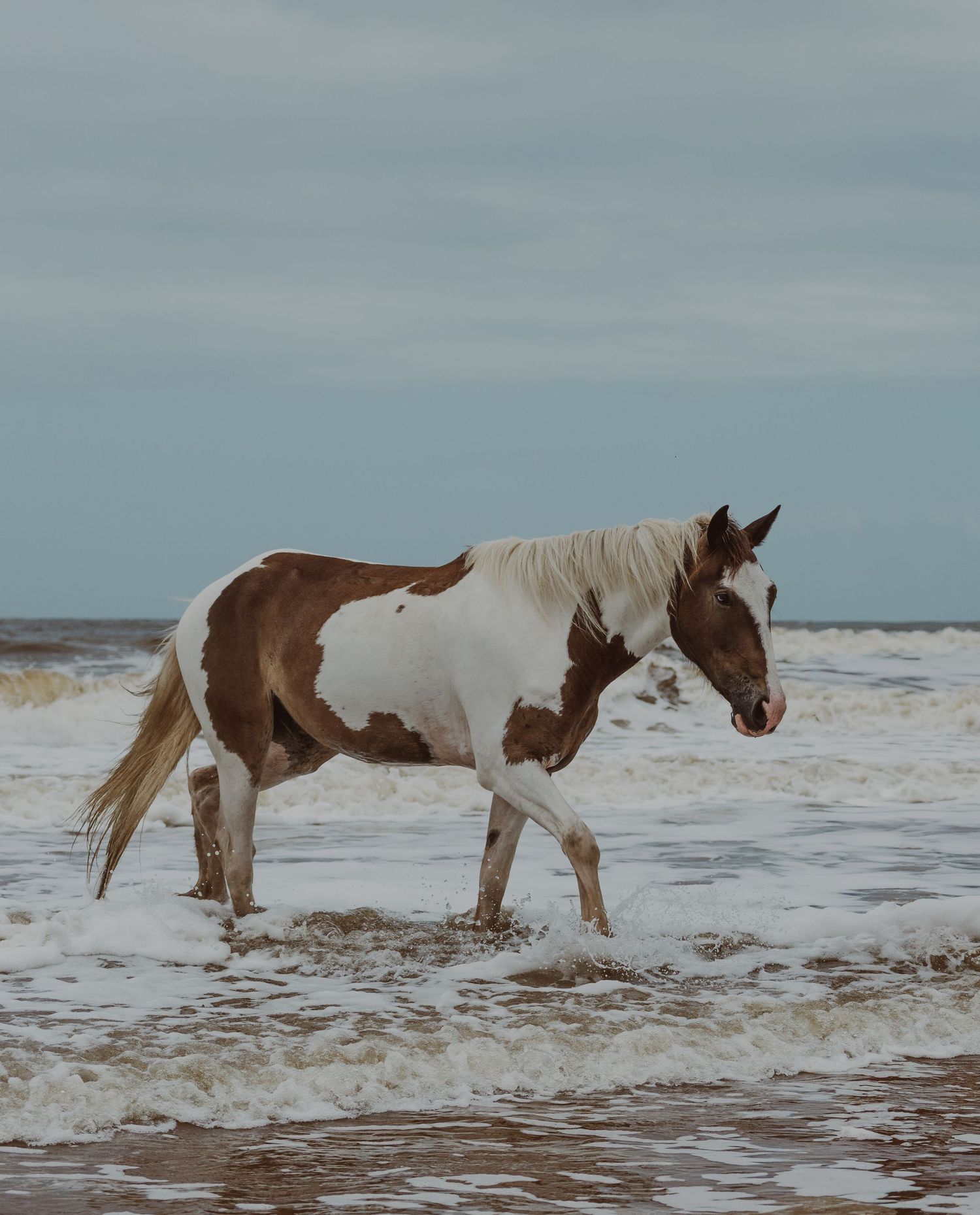
- Water or shoreline for grounding
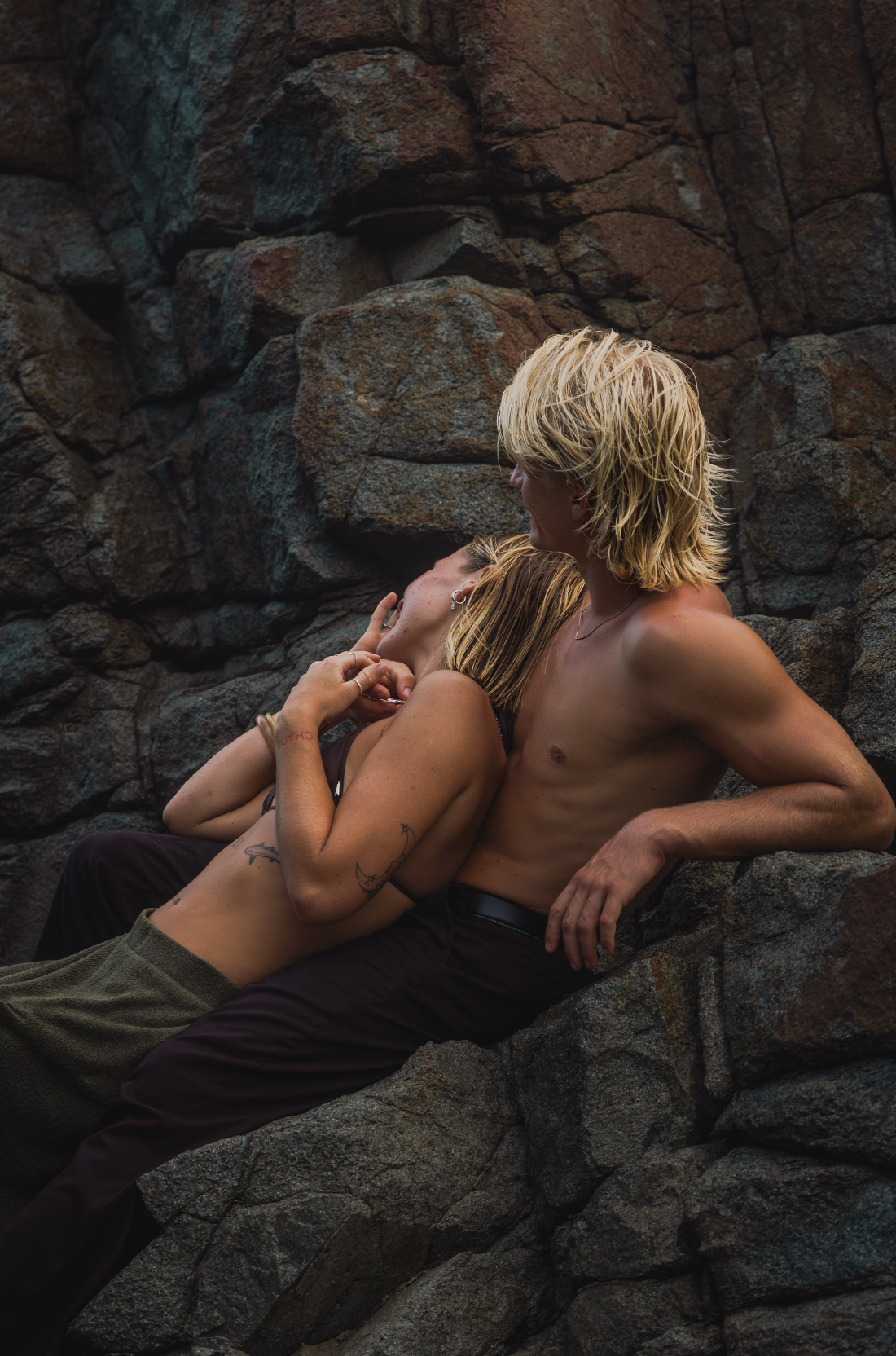
- Trees, cliffs, textures for interaction
When clients interact with environment, they stop “posing” and start existing.
8 . Your Energy Dictates the Session
Clients mirror direction tone more than instructions.
If you are:
rushed → images feel rushed
overly technical → clients feel stiff
calm and observant → clients soften naturally
You don’t need to over-direct. You need to hold a steady presence and guide lightly.
9 . Know When to Step Back
One of the most overlooked skills in portrait photography is restraint.
Some of the strongest frames happen:
- Between directions
- After laughter fades
- When the subject resets
- During quiet movement
If you constantly speak, you interrupt those moments.
Silence is part of direction.
Final Thought
The goal is not to create perfect poses.
It’s to create conditions where people forget they are posing at all.
That is where cinematic, emotional portrait work lives — not in instruction, but in flow.