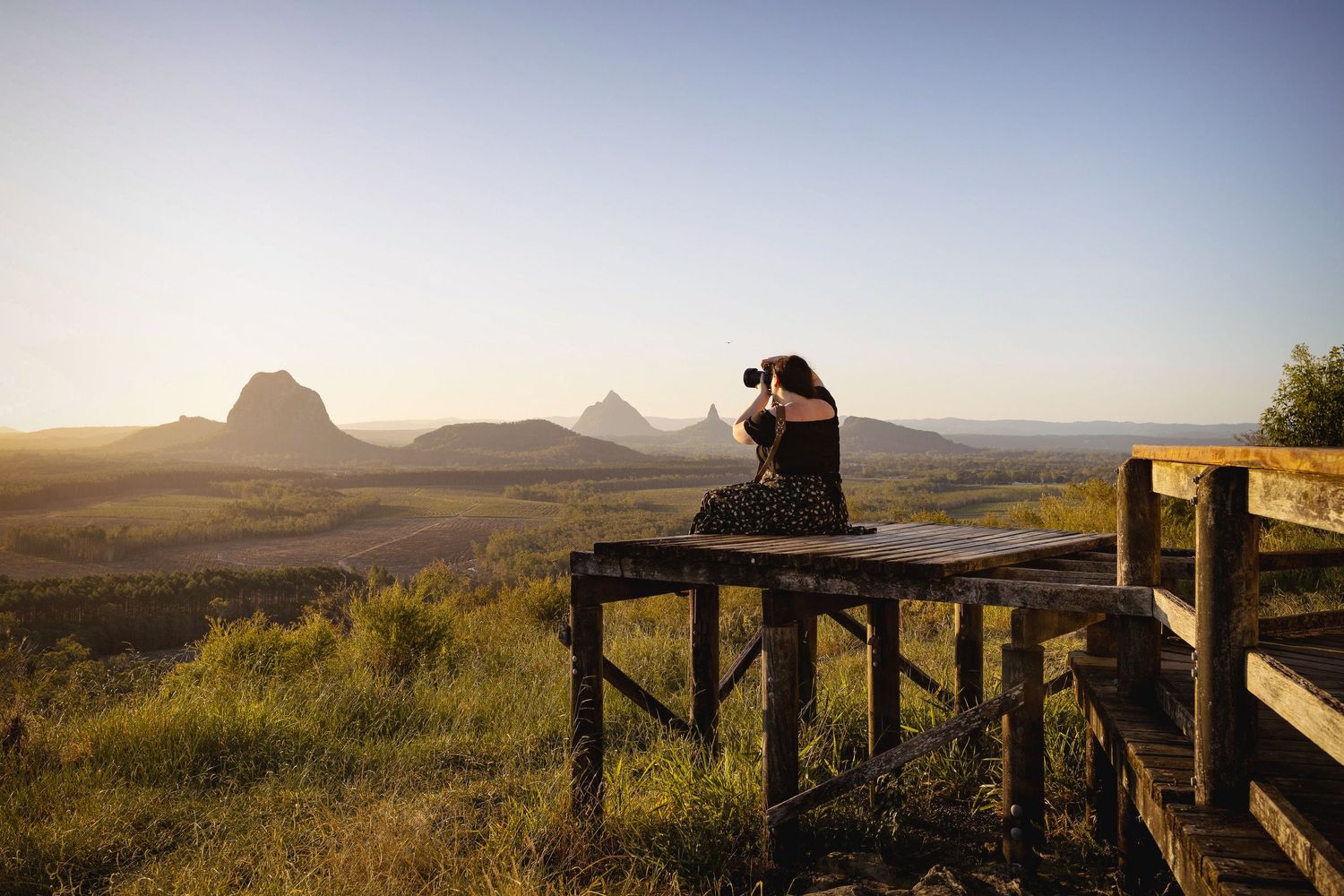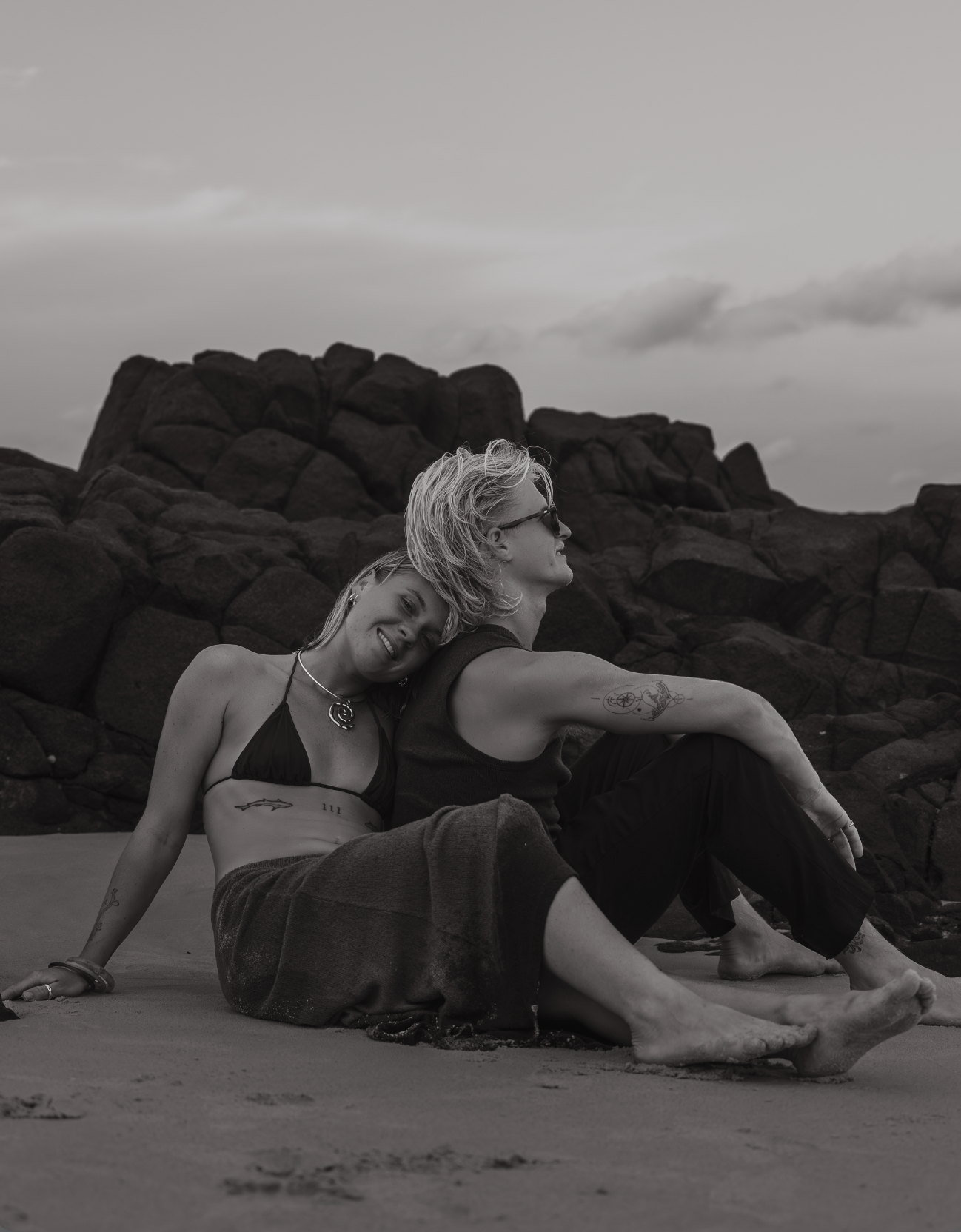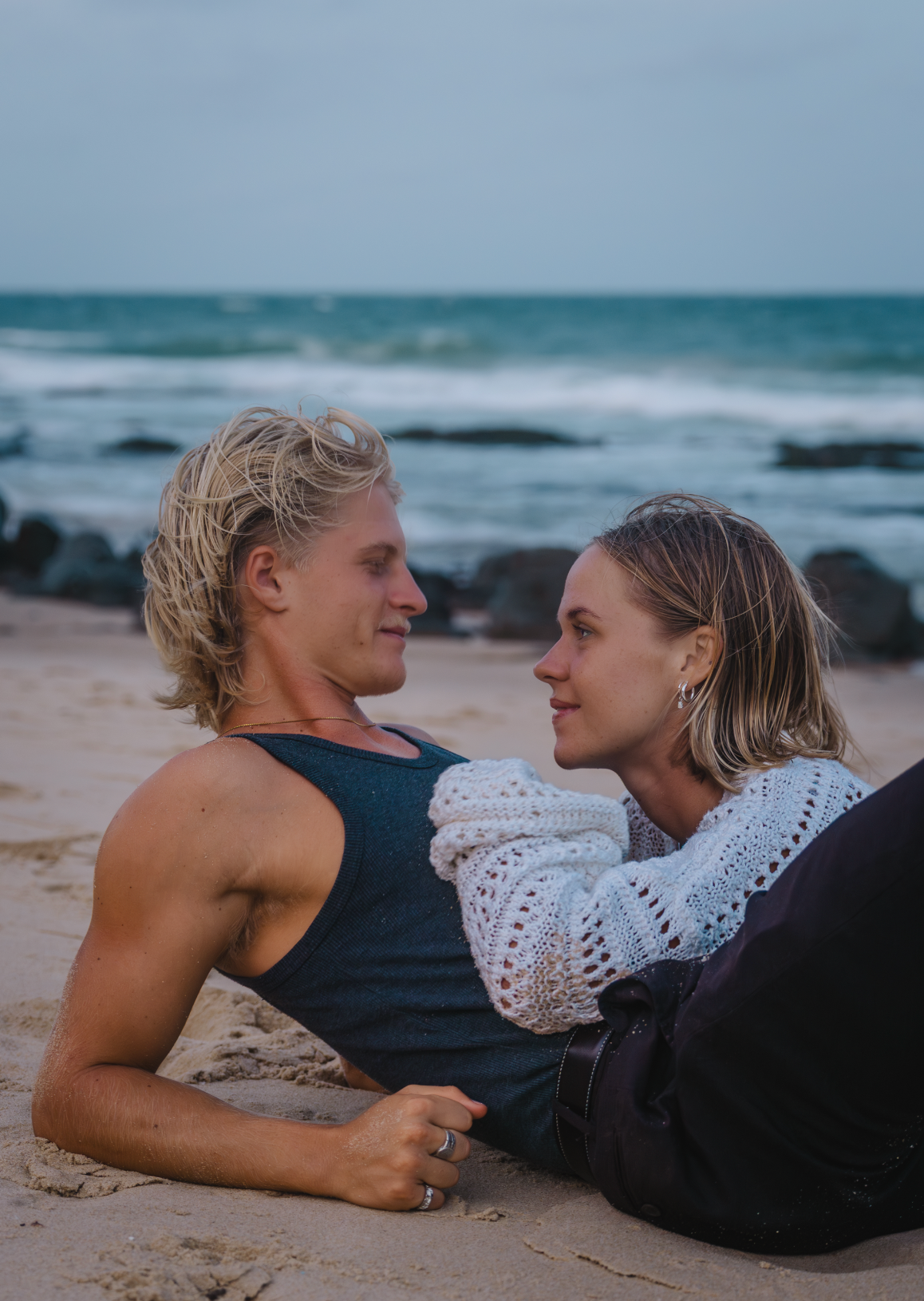
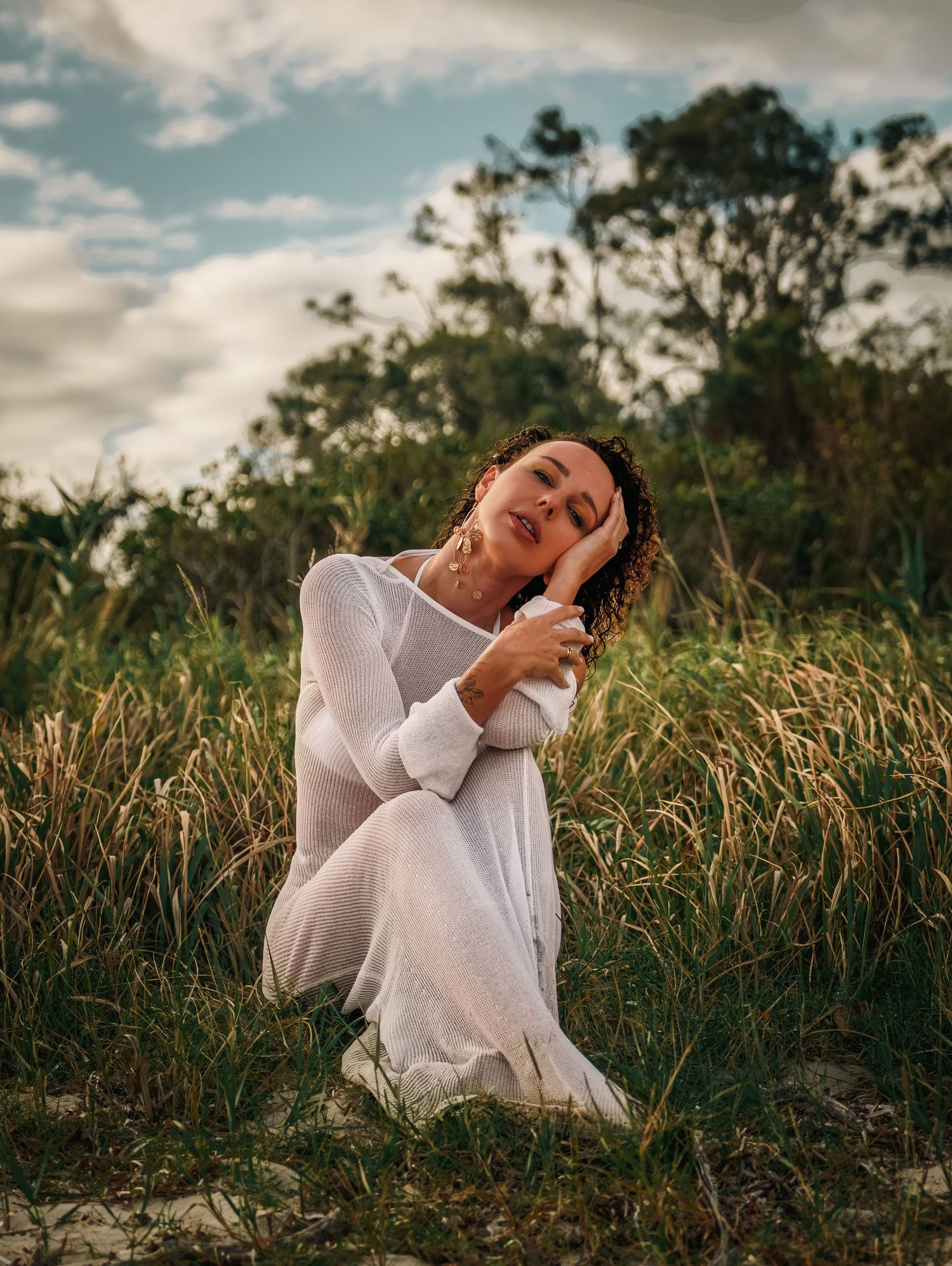
When it comes to portraits, what you wear doesn’t need to feel complicated. In fact, the most striking images often come from the simplest choices — pieces that let you remain the focus, rather than competing for attention.
This guide is for women wanting a clean, natural look for their session. Something effortless. Nothing forced. Nothing overly styled. Just pieces that feel like you.
Before We Talk Clothing
Styling for portraits is often overthought.
Most women arrive thinking they need multiple outfits, perfect coordination, or something “camera worthy.” The truth is the opposite — the most powerful portraits usually come from simplicity.
Clothing should never overwhelm you in an image. It should sit quietly in the background and allow expression, movement, and presence to lead.
This guide is about removing pressure, not adding it.
1. Simplicity Is the Foundation of Strong Portraits
Simple styling is not “basic” - it’s intentional.
When clothing is minimal, everything else becomes more visible:
- your expression
- your posture
- your movement
- the light on your skin
- the emotion in the frame
Busy outfits compete with all of that. Simple outfits support it instead.
If you remember one thing from this guide, let it be this:
your presence is the main subject -everything else is secondary.
2. Fabric Choice Matters More Than People Realise
Fabric is one of the most underrated parts of styling. It changes how your body moves, how light interacts with you, and how natural your images feel.
For simple portraits, the most flattering fabrics are:
Natural textures
- Linen
- cotton
- soft woven fabrics
These photograph softly and feel grounded in outdoor environments.
Movement-based fabrics
- Silk
- Satin
- Light viscose
These catch light beautifully and create subtle flow in motion.
Soft structure
Light knits, relaxed tailoring, breathable layers -These add shape without stiffness.
What you want to avoid is anything overly rigid, shiny synthetic, or heavy in texture unless it’s intentional for a specific editorial look.
3. Colour Palette
(Keep It Calm and Intentional)
Colour has a direct impact on mood, skin tone, and overall cohesion in your gallery.
For simple, natural portraits, the strongest palette is:
Neutrals
- Cream
- Ivory
- Sand
- Beige
- Soft white
These reflect light beautifully and keep attention on expression.
Earth tones
- Clay
- Olive
- Warm brown
- Muted terracotta
These work especially well in coastal and outdoor environments.
Soft muted tones
- Dusty blue
- Faded rose
- Sage
These add subtle colour without overpowering the frame.
If you do choose colour, think softened rather than saturated. Nothing harsh or neon — it pulls focus away from the emotion of the image.
4. Fit: The Balance Between Structure and Ease
Fit is where styling either feels natural or forced.
A helpful way to think about it:
- too tight = restrictive, noticeable, unnatural movement
- too oversized = lost shape unless intentionally styled
- balanced = relaxed but still intentional silhouette
The most flattering fits usually:
- skim the body without clinging
- allow you to move, sit, walk, turn
- don’t require constant adjusting
Comfort matters more than perfection. If you feel physically at ease, it shows immediately in your expression.
6. Outfit Ideas That Always Photograph Beautifully
If you prefer starting points rather than rules, here are simple combinations that consistently work:
- Coastal minimal
Linen dress + bare feet + natural hair movement
- Soft everyday
High-waisted denim + fitted tank or knit + minimal accessories
Flow + movement
Long skirt + simple top + fabric that moves with wind
- Monochrome calm
One colour head-to-toe in soft neutrals or earth tones
- Relaxed masculine-feminine blend
Oversized shirt + fitted base layer + undone styling
None of these need to feel styled or perfect. They work because they don’t compete with you.
7. Accessories (Less Is More)
Accessories should never lead the image — they should sit quietly within it.
Simple options:
Bare feet or simple sandals
Minimal jewellery (gold, silver, or nothing at all)
Natural hair styling (soft waves, loose texture, undone movement)
No heavy bags or props unless intentional
The more minimal the styling, the more emotional weight the image carries.
8. Hair & Makeup Direction
The goal is not transformation — it’s enhancement.
For most simple portrait sessions:
skin that feels like skin
soft definition rather than heavy contouring
natural hair movement instead of rigid styling
If you wear makeup daily, your session look should feel like a refined version of that — not a completely different face.
9. The Most Important Part: How You Feel in It
This is where styling becomes personal.
The best outfit is not the most “photogenic” one — it’s the one that:
makes you feel comfortable standing still and moving
doesn’t make you think about it during the shoot
feels like an extension of you, not a costume
Because when you forget what you’re wearing, you start showing up fully in the moment.
And that is what creates strong portraits.
Final Thought
Simple styling is not about limitation.
It’s about clarity.
When everything unnecessary is removed, what remains is presence - and that is what your portraits are built around.